
FACIAL BALANCING
A whole-face approach to filler. Tailored, not templated.
Filler can be tasteful when it's in the right hands.
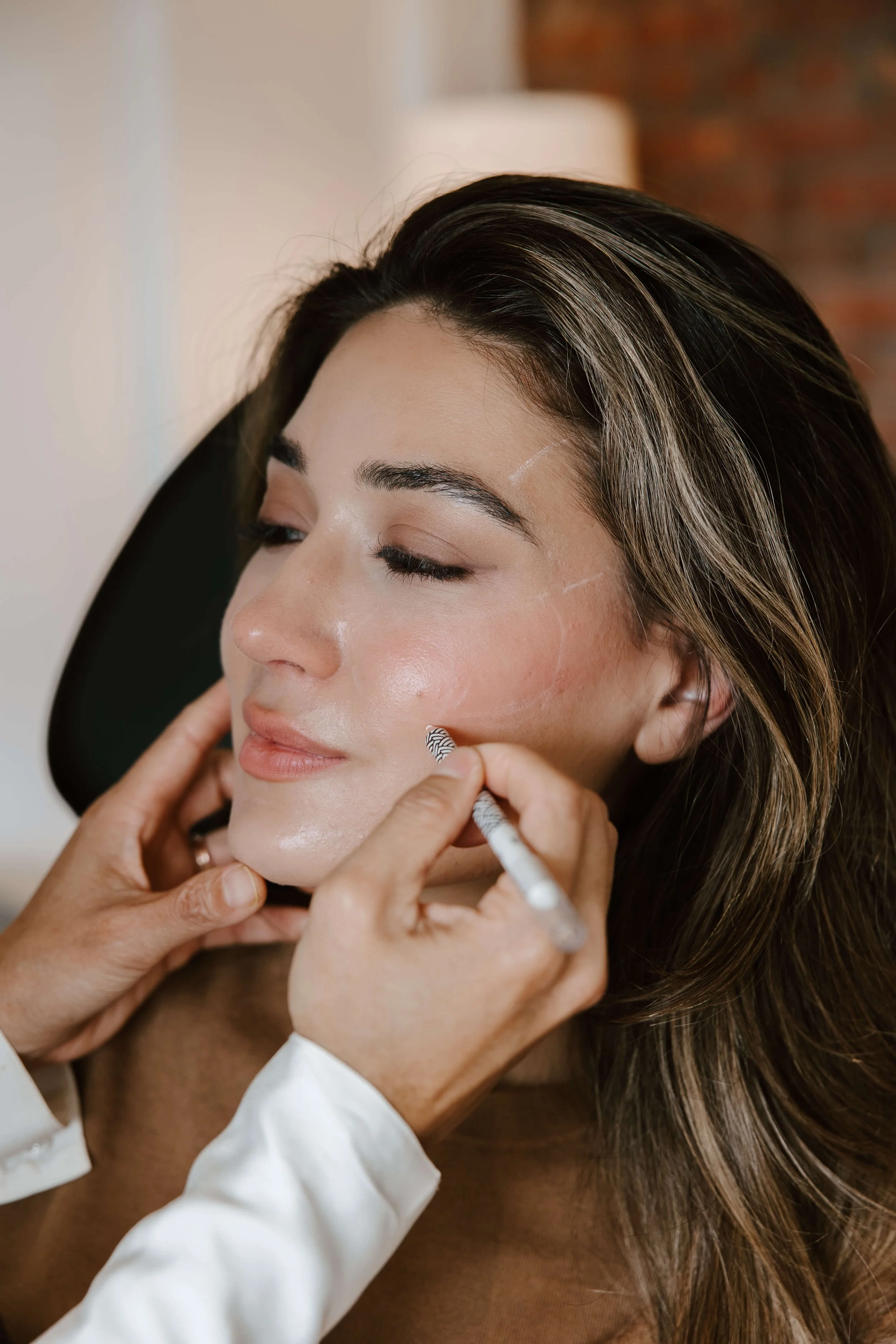
Your face isn't one problem to treat. It's a system to understand.
Volume loss doesn't happen in a singular spot. It happens globally and progressively, across multiple areas. The instinct to treat just one spot in isolation is what gives filler a bad reputation and bad results.
In fact, most bad filler results are not a product-problem. It’s using a cookie-cutter approach applied to a face that is dynamic and complex.
Facial balancing is the antidote to bad filler.
Facial balancing is a whole-face approach using a conservative amount of dermal filler that aims to restore volume, structure, and proportion across multiple areas in one coordinated plan.
Every plan starts with an assessment.
Facial changes can feel daunting. That's why every visit starts with dialogue, assessment, and ultrasound scanning.
Your plan might start with one area or your whole face. Either way, the results you leave with are natural, tasteful, and not obvious.
1
ASSESSMENT
Bone structure, tissue quality, and your degree of facial harmony.
2
PLAN
Built around synergy, safety, and natural movement.
3
RESULTS
Visible immediately. Final results at 3–4 weeks.
See the results.
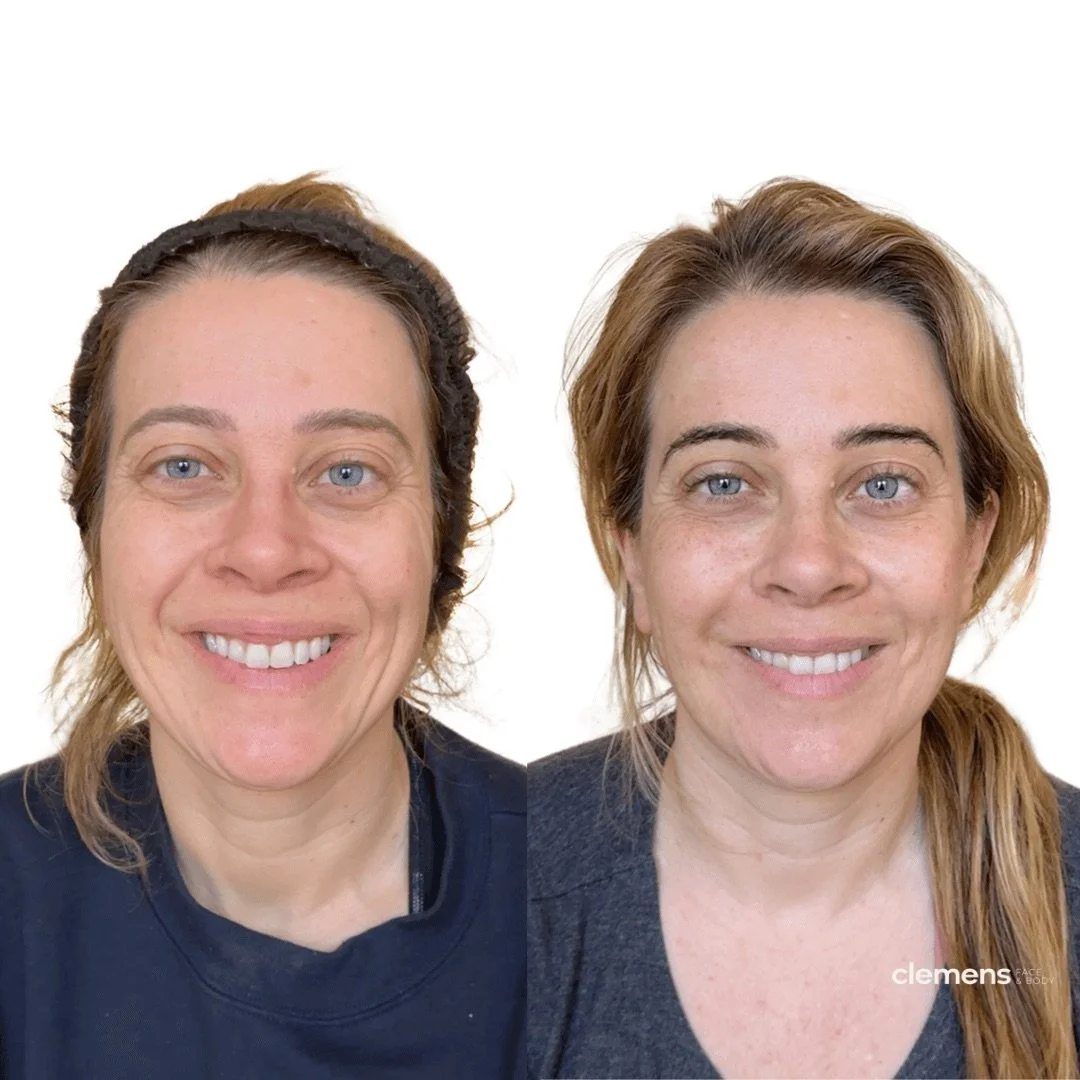
Cheeks, under-eye, and nasolabial folds filler
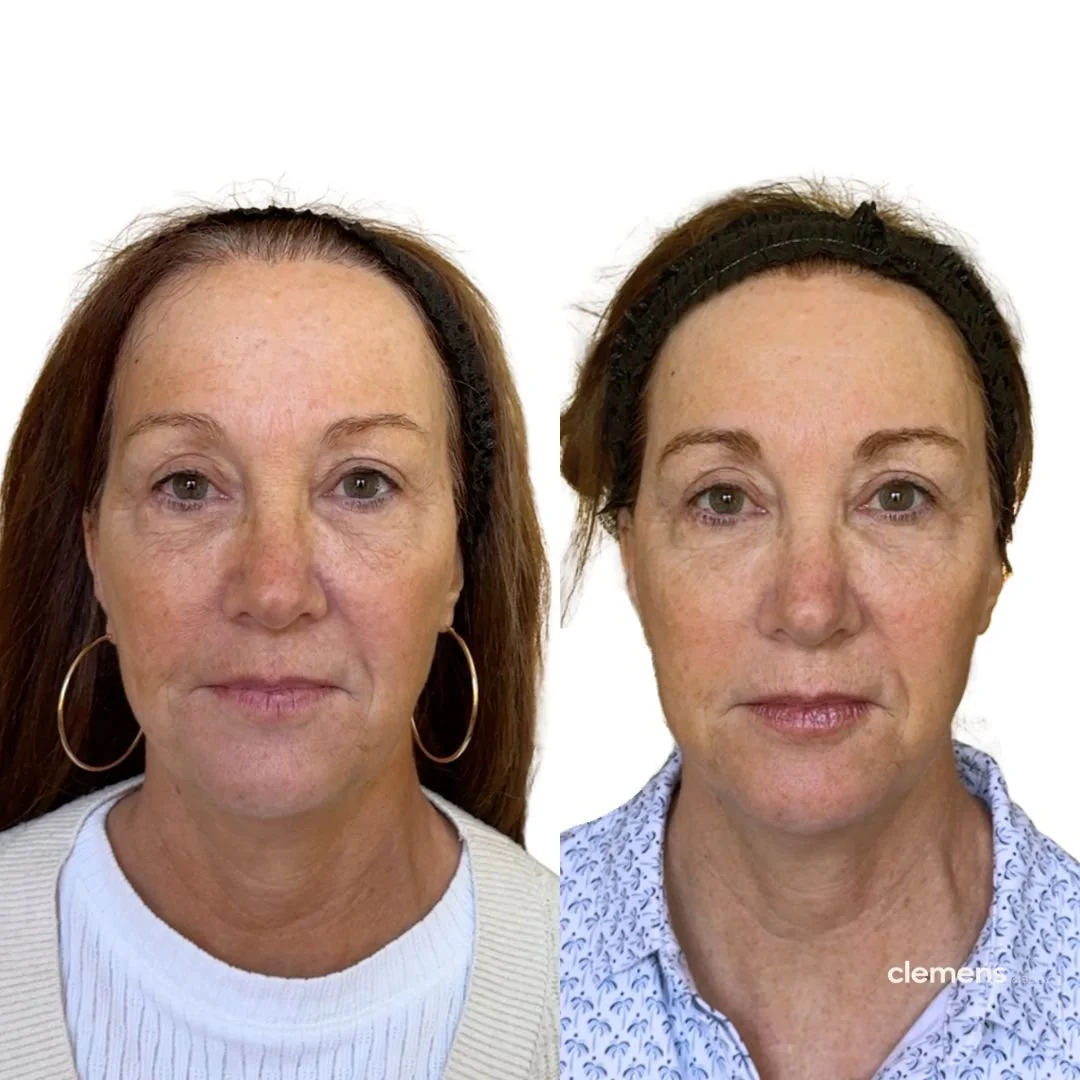
Temple, under-eye, cheek, and lip filler
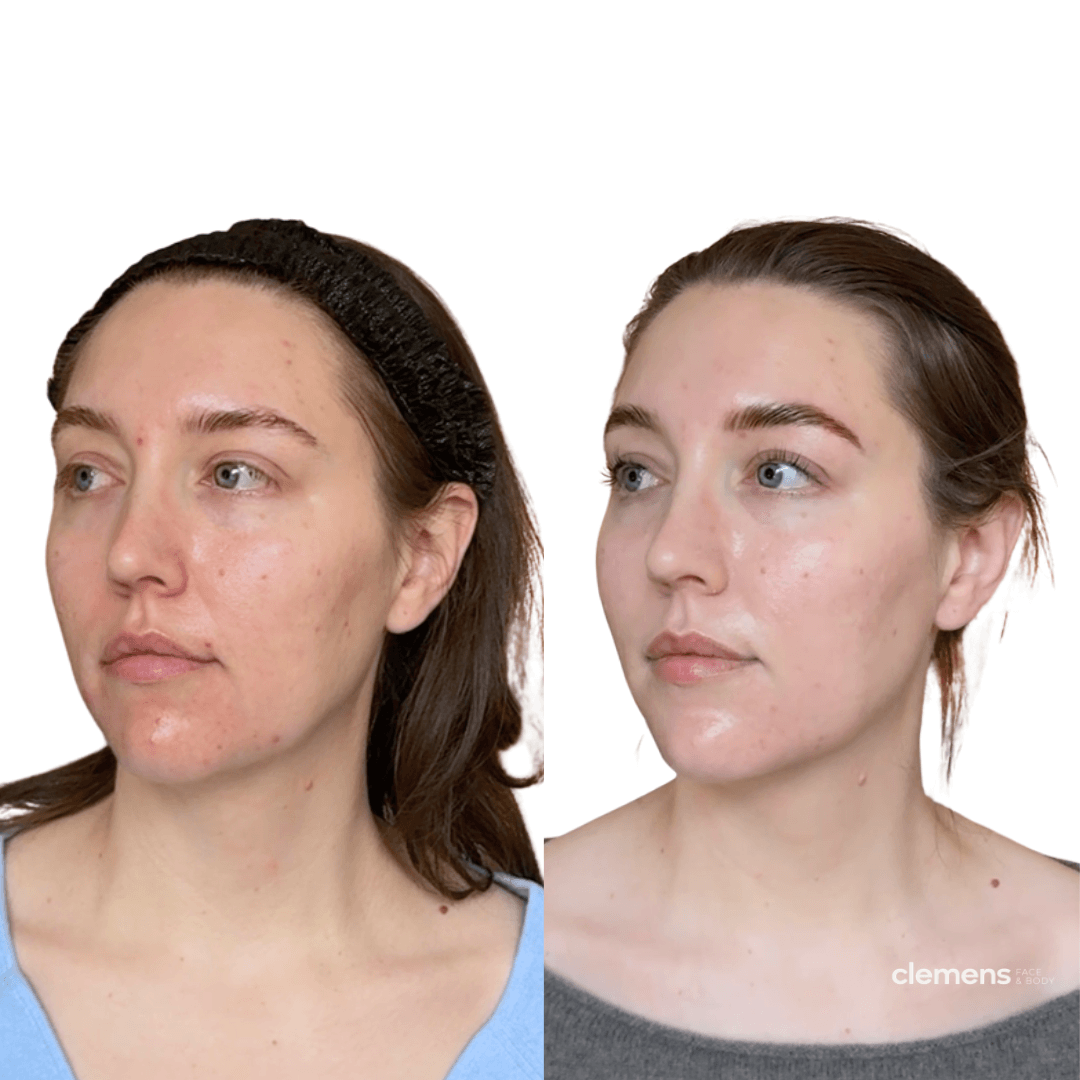
Cheek, under-eye, pyriform, chin, and jawline filler
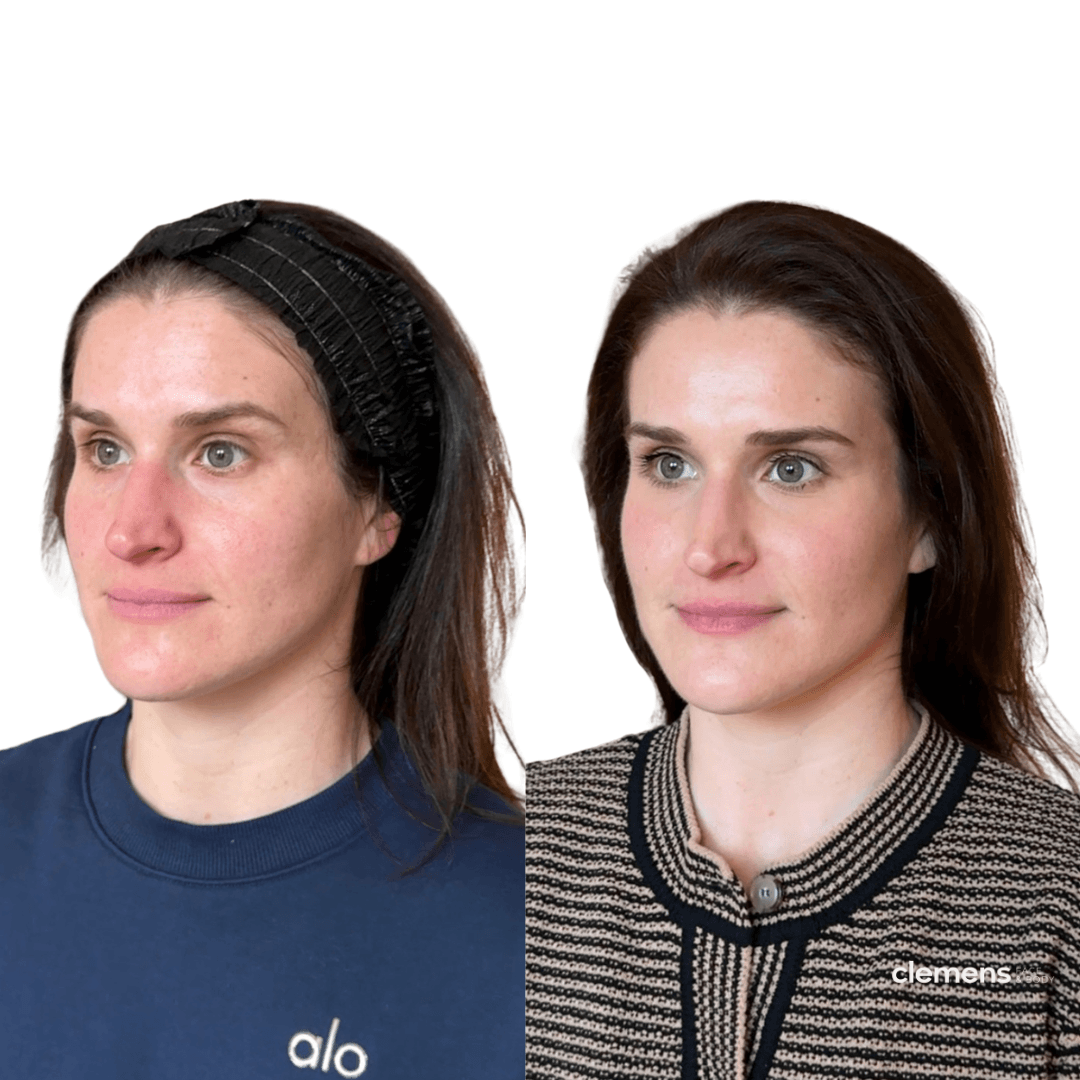
Temples, under-eyes, cheeks, and lip filler
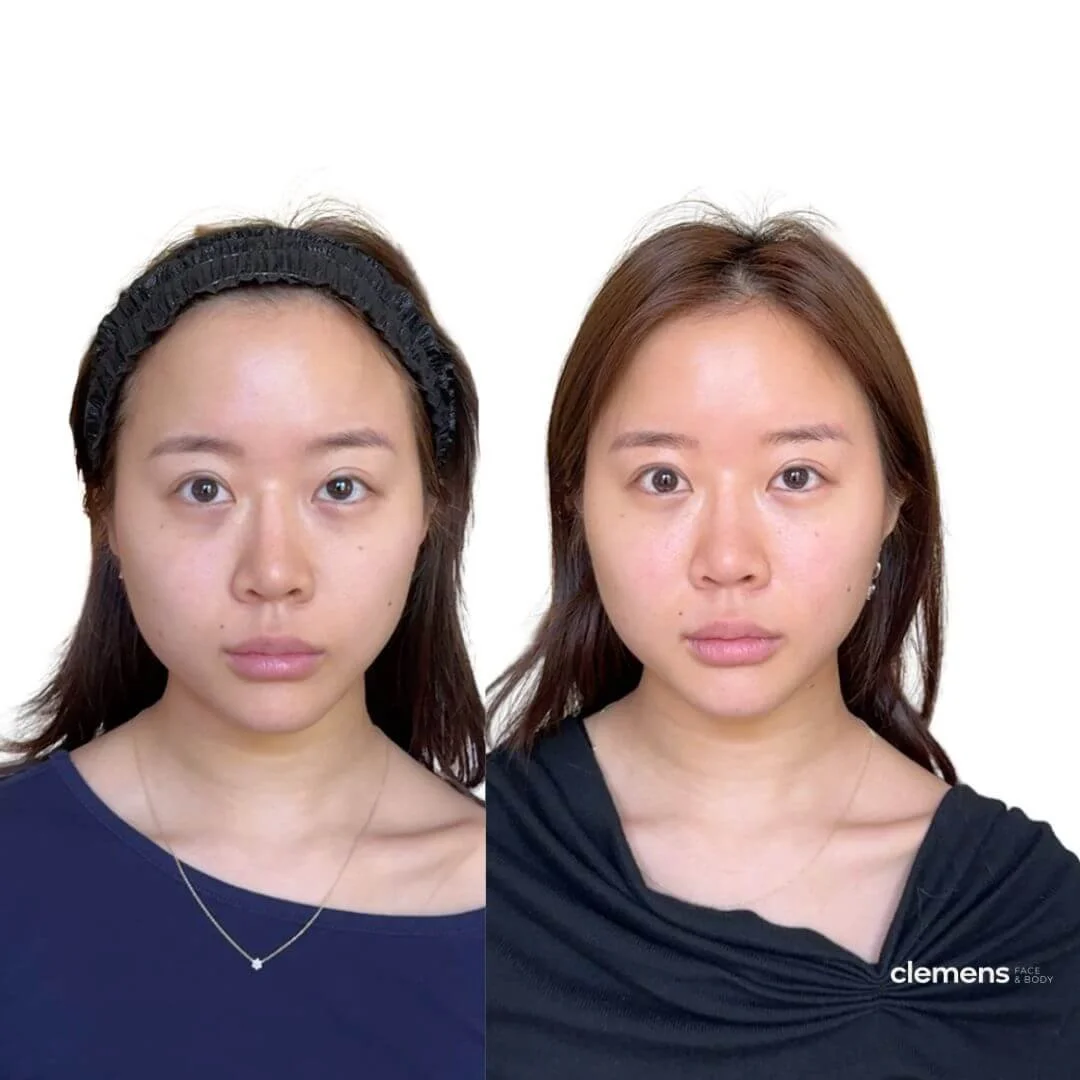
Under-eyes, cheeks, and nasolabial folds filler
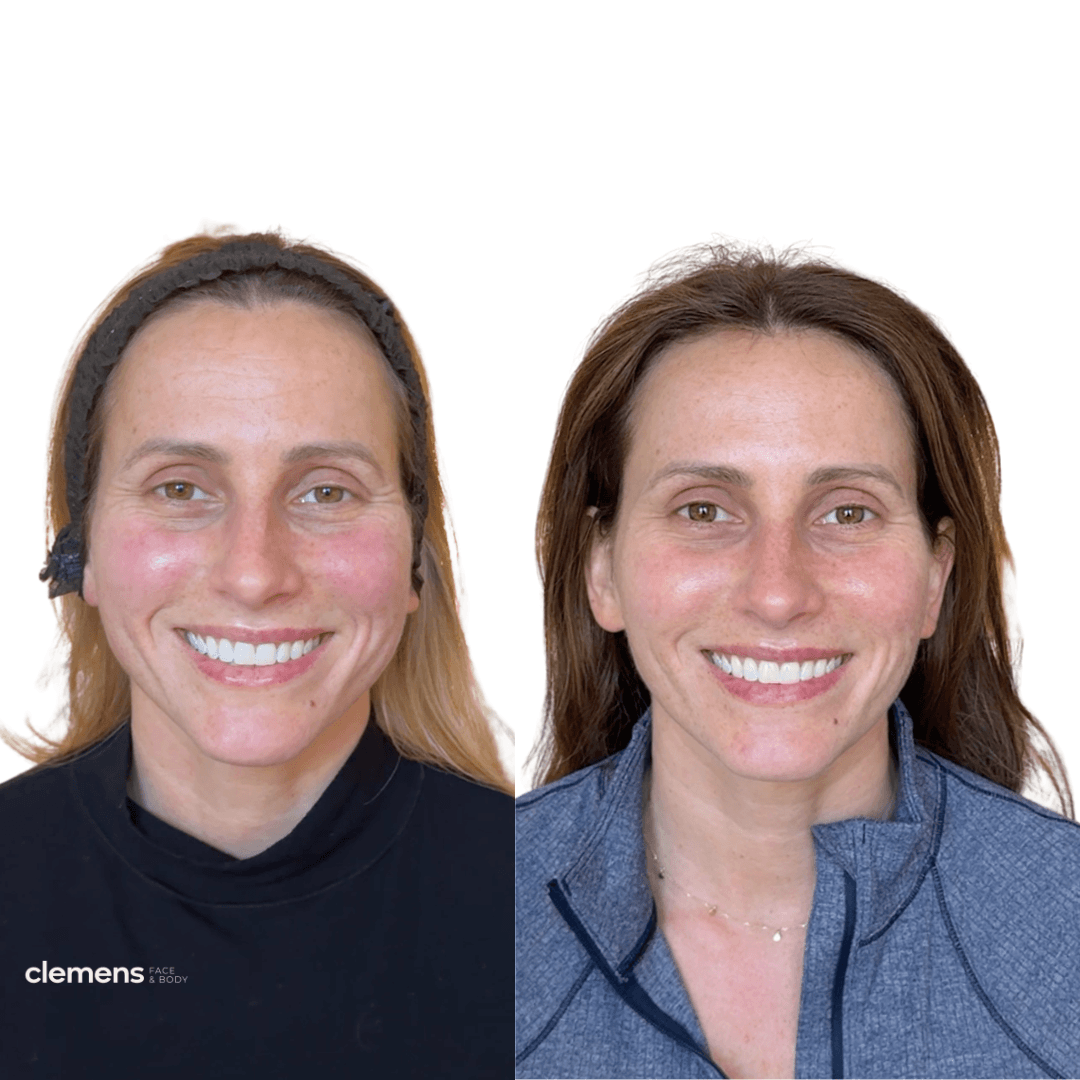
Temples, under-eyes, and cheek filler
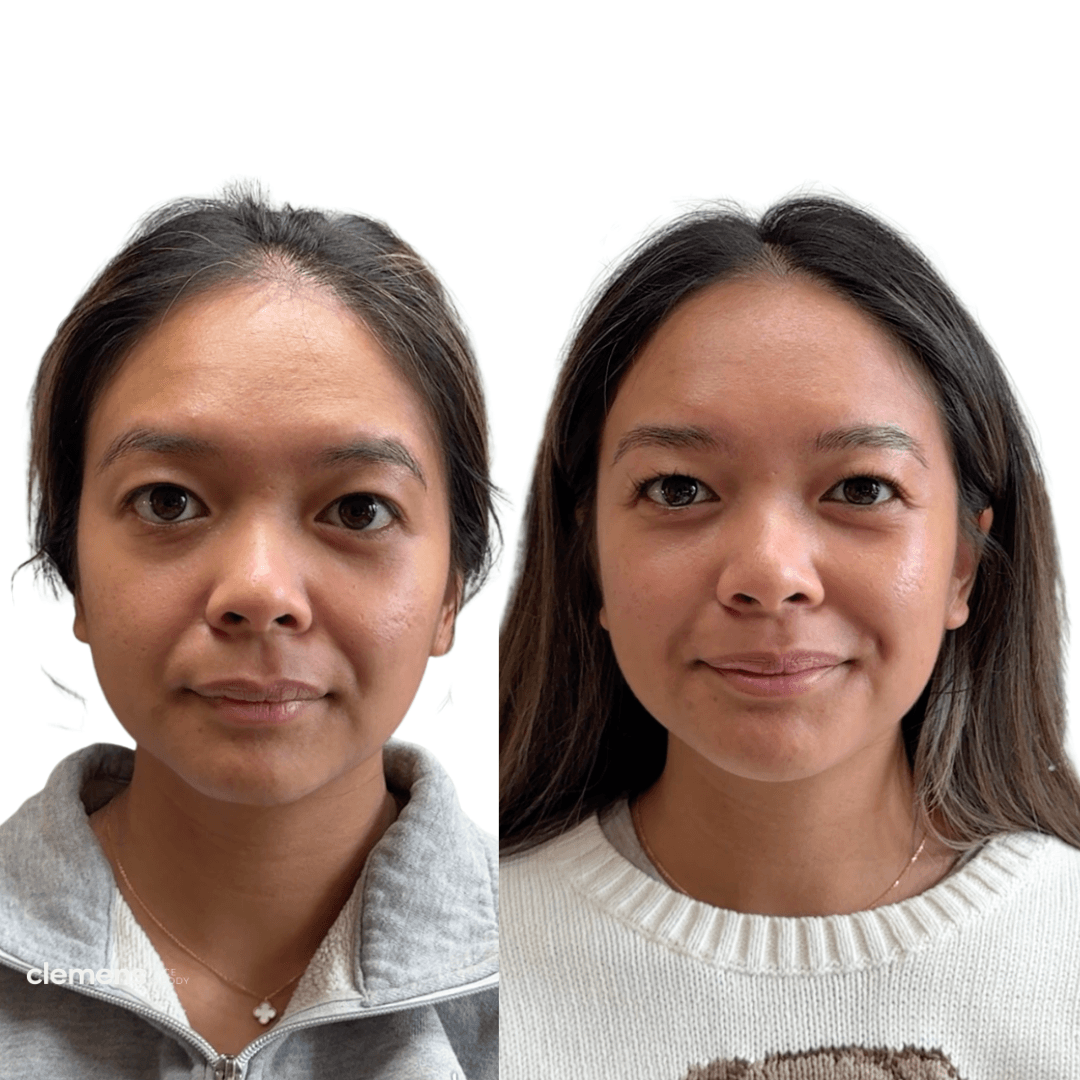
Chin and jowl filler
Investment
Every plan is built around your face specifically — investment varies by area.
Upper Face (Temples/Under-eyes): $900–$1,600
Mid-Face & Nasolabial Folds: $1,000–$1,400
Lower Face (Chin/Jawline): $900–$2,500 (final pricing depends on whether chin and jawline are combined)
Soft Lip Enhancement: $700–$1,000
Because your face deserves a plan, not a checklist.
Without a balancing plan:
A patchwork of treatments that don't work together
Chasing individual complaints
Still feeling like something's off
With a balancing plan:
One plan for your whole face
Results that look intentional
Undetectable and never overfilled
FAQS
-
Hyaluronic acid (HA) is a naturally occurring polysaccharide in the skin responsible for hydration and volume. Its concentration declines starting in your 20s, contributing to volume loss and reduced structural support. HA fillers are cross-linked gels that, once placed within specific tissue planes, restore volume and provide scaffolding support to the overlying skin.
-
Longevity depends on filler composition, treatment area, individual metabolic rate, and tissue mobility. Full retreatment is rarely necessary, and often not advised. Most patients maintain their results with occasional, ad hoc top-ups rather than starting over, with structural areas like the cheeks or jawline typically needing less frequent maintenance than higher-movement areas like the lips.
-
Not necessarily, and that's the goal. Rather than full retreatment on a schedule that has led to overfilled faces, our patients at Clemens are advised to maintain their results with occasional, small top-ups on an as-needed basis only.
-
Filler can address loss in facial volume, structure, and deflation across the mid-face, under-eyes, nasolabial folds, jawline, chin, and lips.
-
Initial volume is visible immediately, though swelling and bruising can temporarily obscure final contour. Most patients see their refined result within 2 to 4 weeks, once swelling has fully resolved.
-
Expected effects from injecting include mild bruising, swelling, and tenderness at injection sites, and generally resolve within days.
-
Unlike popular misconception, migration isn't an inherent property of filler, but rather a complication of technique. Conservative, anatomy-based placement with the support of ultrasound minimizes this risk substantially.
-
Absolutely not. Our entire injecting philosophy is avoiding the epidemic of overfilled faces, and we safeguard against this by starting with facial diagnosis. When the root cause of facial dissatisfaction is identified, we can then execute a plan that gives our patients noticeable, yet undetectable results.
-
Yes, and more often than not, more like yourself.
-
Yes, which makes filler a popular and safer facial volumizer. Hyaluronidase, an enzyme, can be deployed to break down HA filler correctly if a correction or reversal is needed. This is discussed in further detail at your visit.
-
This will vary based on the areas that were treated, but generally, we tell patients to expect a downtime range from 3 days to up to 2 weeks, with lips being the treatment with the longest downtime.
Common side effects like temporary redness and irritation, bruising, and swelling will likely occur in the first 3 days post-visit, but do not prevent patients from resuming normal life.
-
Any injection can feel not only uncomfortable but also unsettling. We pre-treat all patients with an injectable numbing agent and provide distraction tools for optimal comfort during the procedure.
Your Provider

Jo Sulistio, NP has trained under some of the world's most prominent experts in facial balancing and filler safety. Her approach is focused on safe, predictable outcomes over volume-based metrics.
Take the first step.
The "Tell Me What I Need" consultation is a personalized plan without obligation.