
BOSTON FACIAL BALANCING
Refreshed. Not reinvented.
Restore what you’ve lost without anyone knowing.
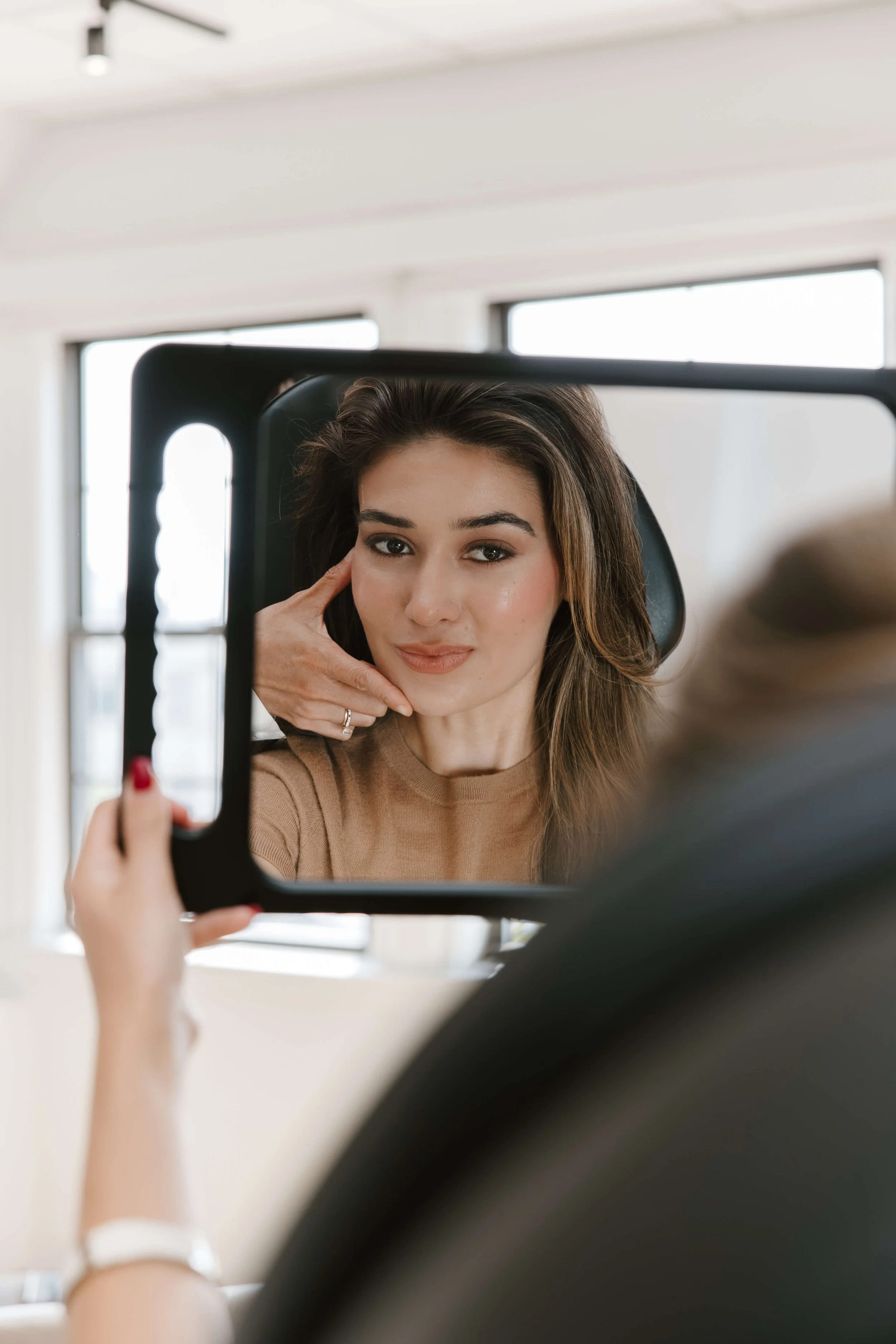
Volume loss has replaced the face you once knew.
You're finally ready to reclaim what you've lost. But you're worried about going overboard.
You just want a treatment that gets you back to where you once were.
Facial balancing uses dermal fillers to rejuvenate the face without surgery.
The result isn’t a new, unfamiliar face.
It’s a refreshed version of the one you once recognized.
You just want to look like you again.
We’ve helped hundreds of patients feel more aligned with what they see in the mirror.
1
BOOK YOUR CONSULTATION
A real facial assessment with ultrasound scanning.
2
GET A CUSTOMIZED PLAN
Conservative, natural, evidence-based. Always.
3
GET YOUR TREATMENT
See results that look like you, not reinvention.
Read our patients’ stories.
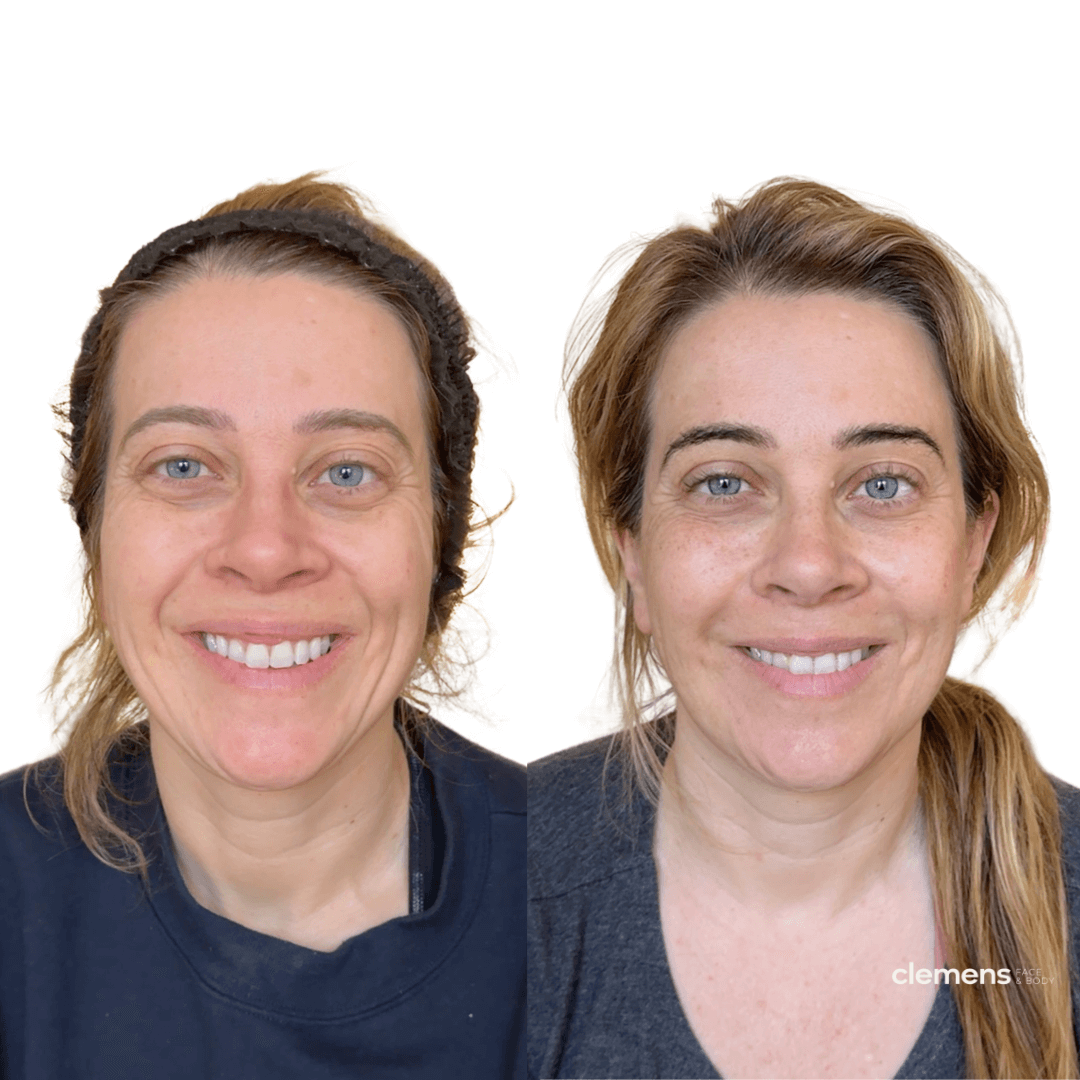
Motherhood dimmed her vibrancy. Fillers were used to treat mid-face volume loss, smile lines, and hollow under-eyes.
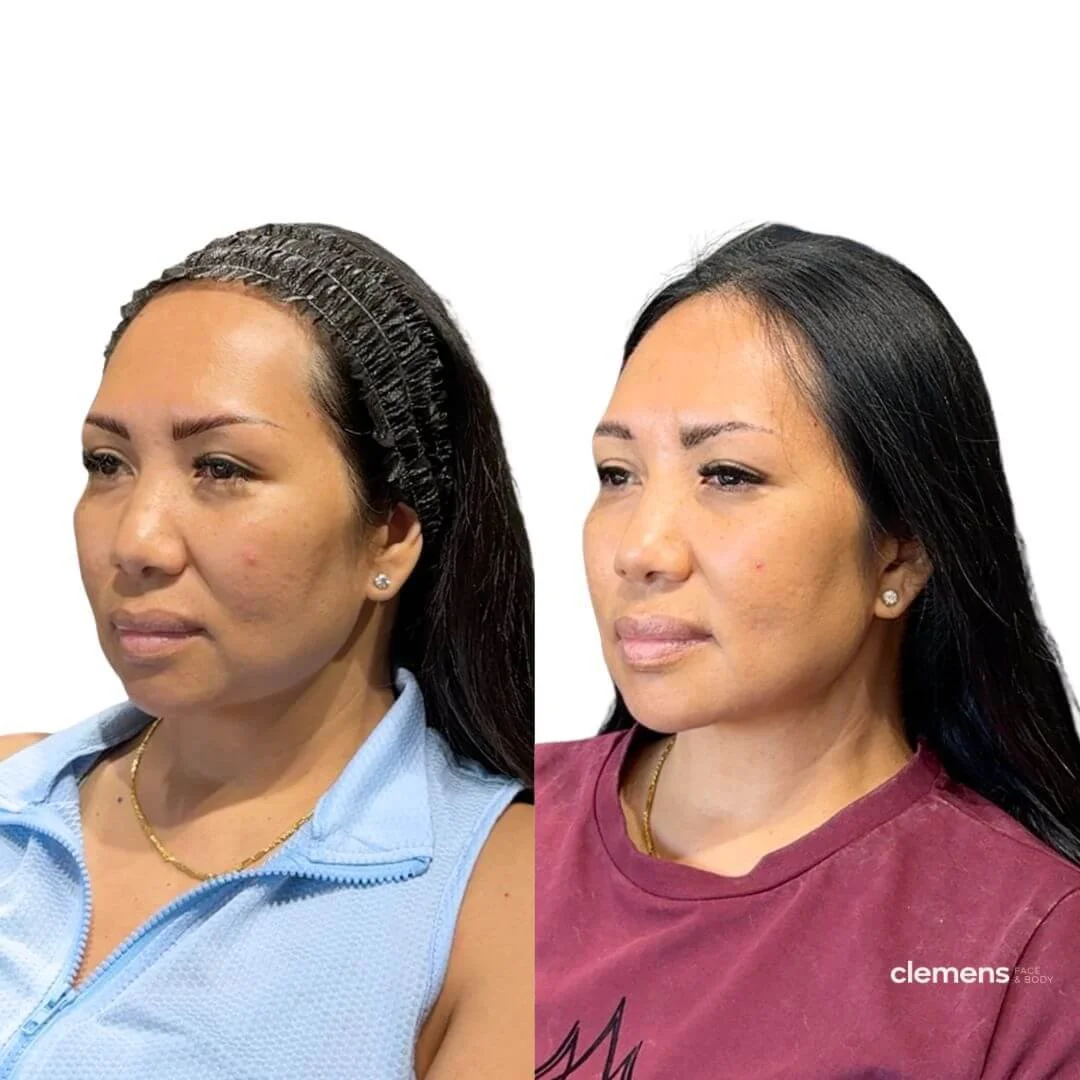
Losing her lower face in her forties. We helped restore structure, definition, and elongation by treating her chin, jowls, and jawline.

The end of "you look tired." Hollow under-eyes, a flat mid-face, and a recessed chin read as fatigue. Cheek, under-eye, and chin filler brought the light back.
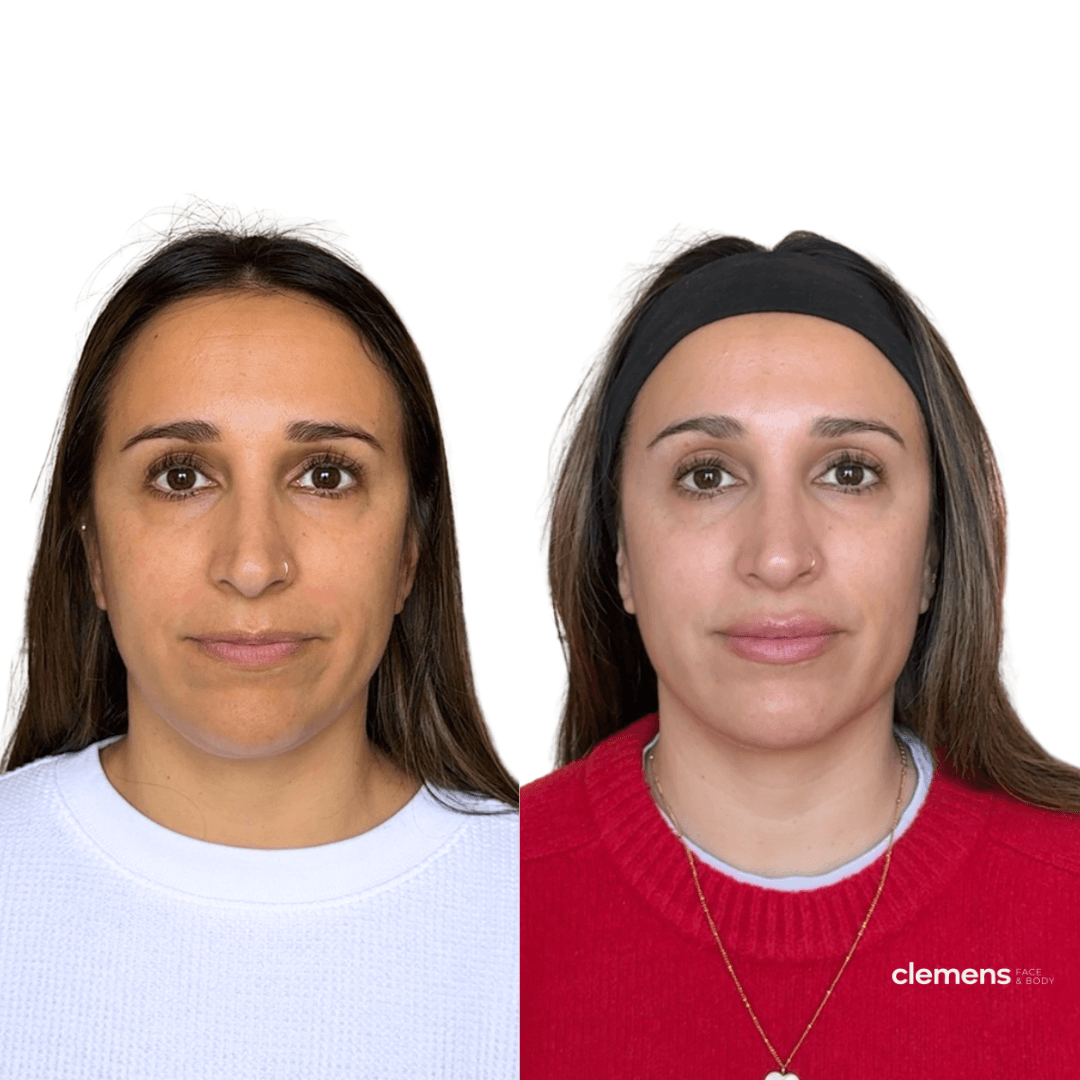
Looking like "her" on her wedding day and beyond. We refined her chin, jawline, and lips with filler for lower face harmony.
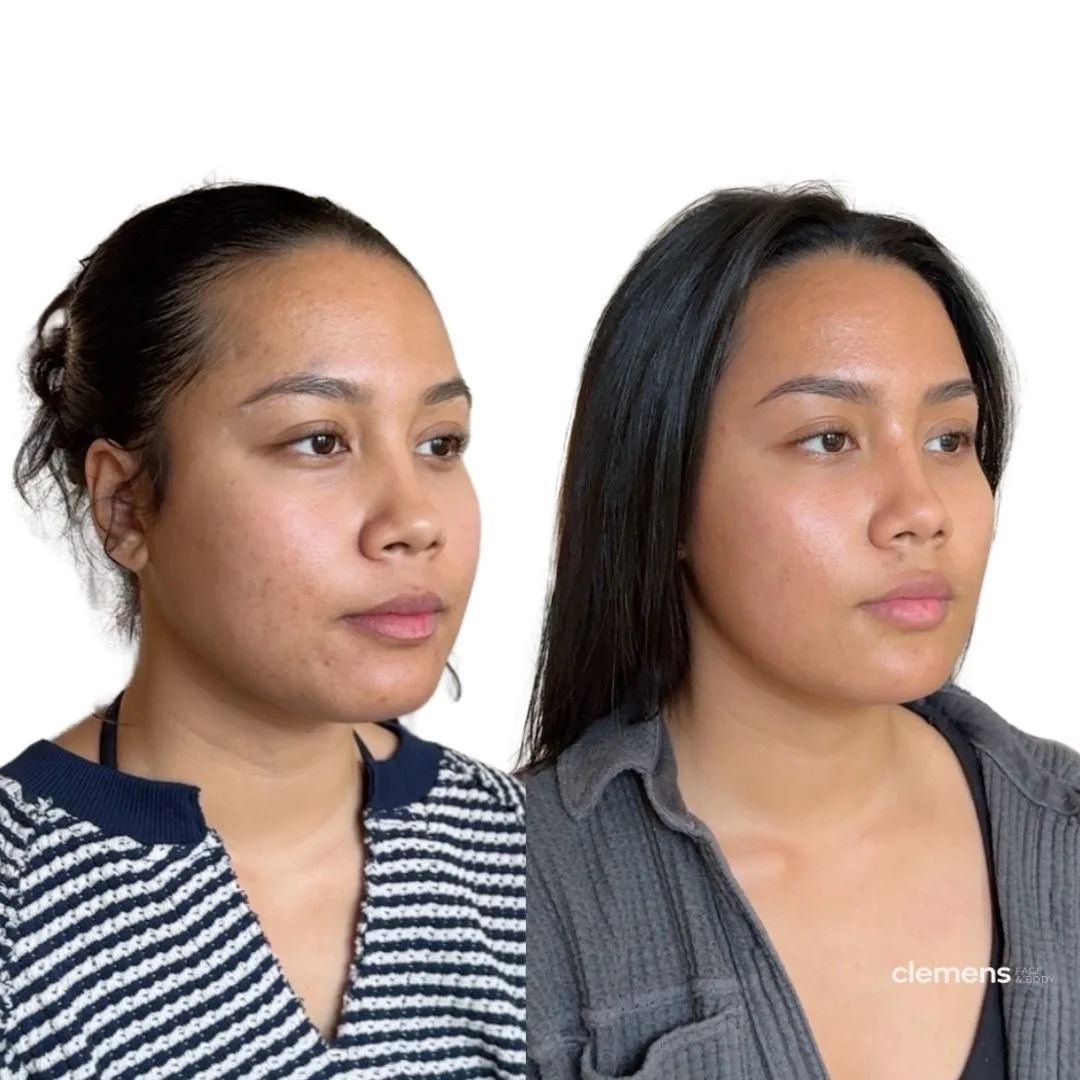
Slimmed and structured. Cheek and chin filler, jawline refinement, and lip filler eased mid-face flatness and lower-face heaviness for real harmony.
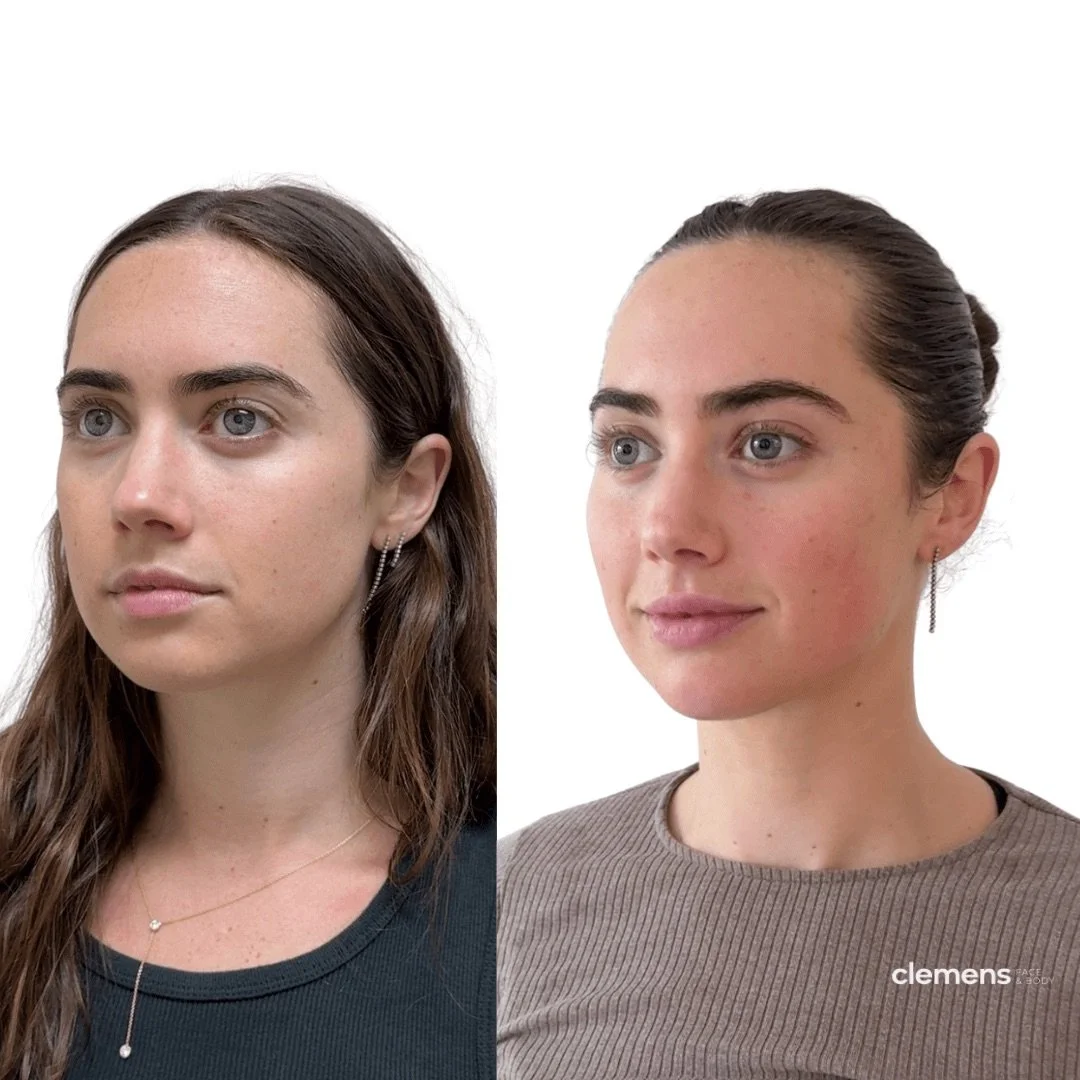
Enhancement you can't quite place. Cheeks, nasolabial folds, chin, and soft lip filler restored early volume loss and preserved her natural features.
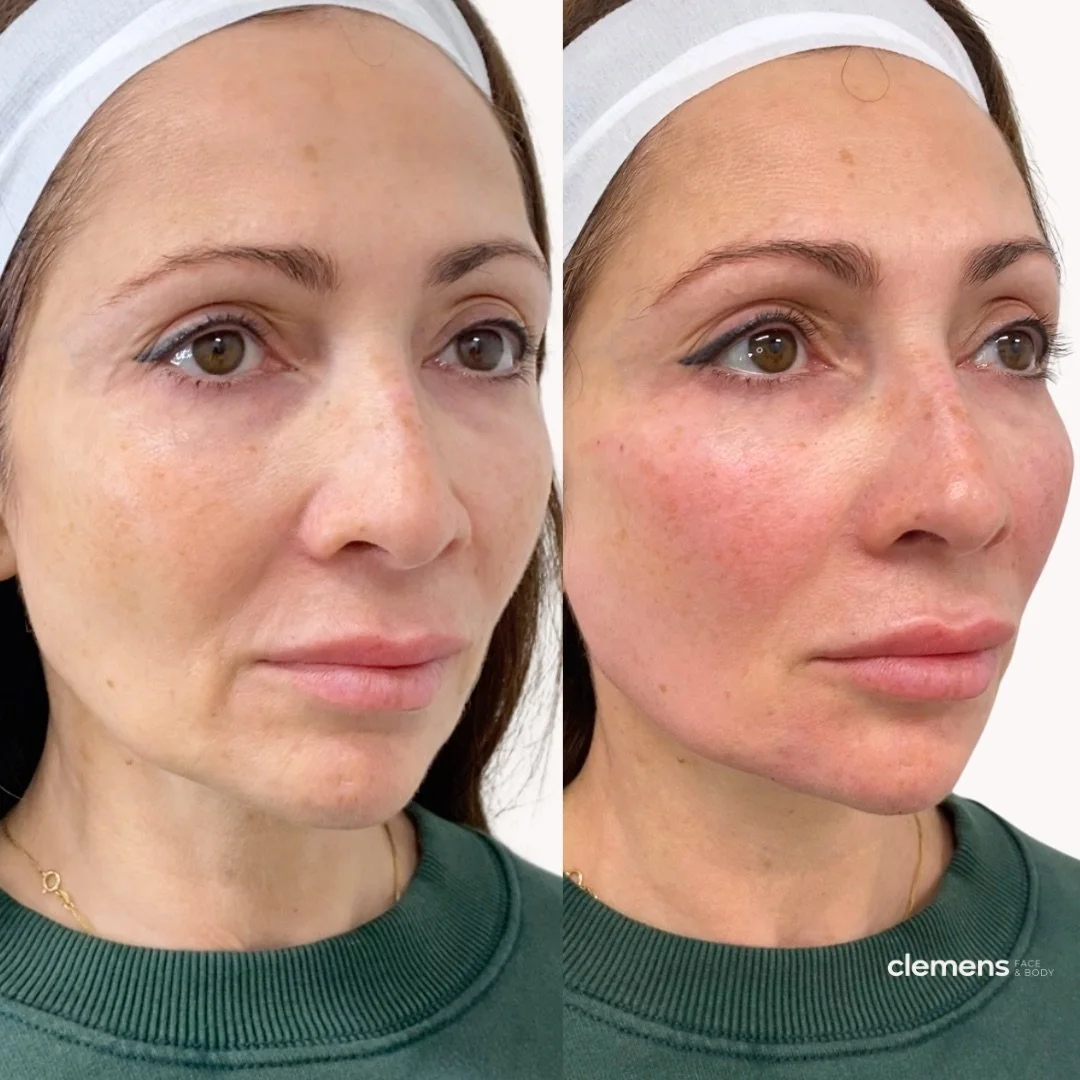
Defying gravity, delaying surgery. Sagging jowls and a softening jawline don't have to mean surgery. Filler through the cheek, chin, and jaw gave her a natural lift.
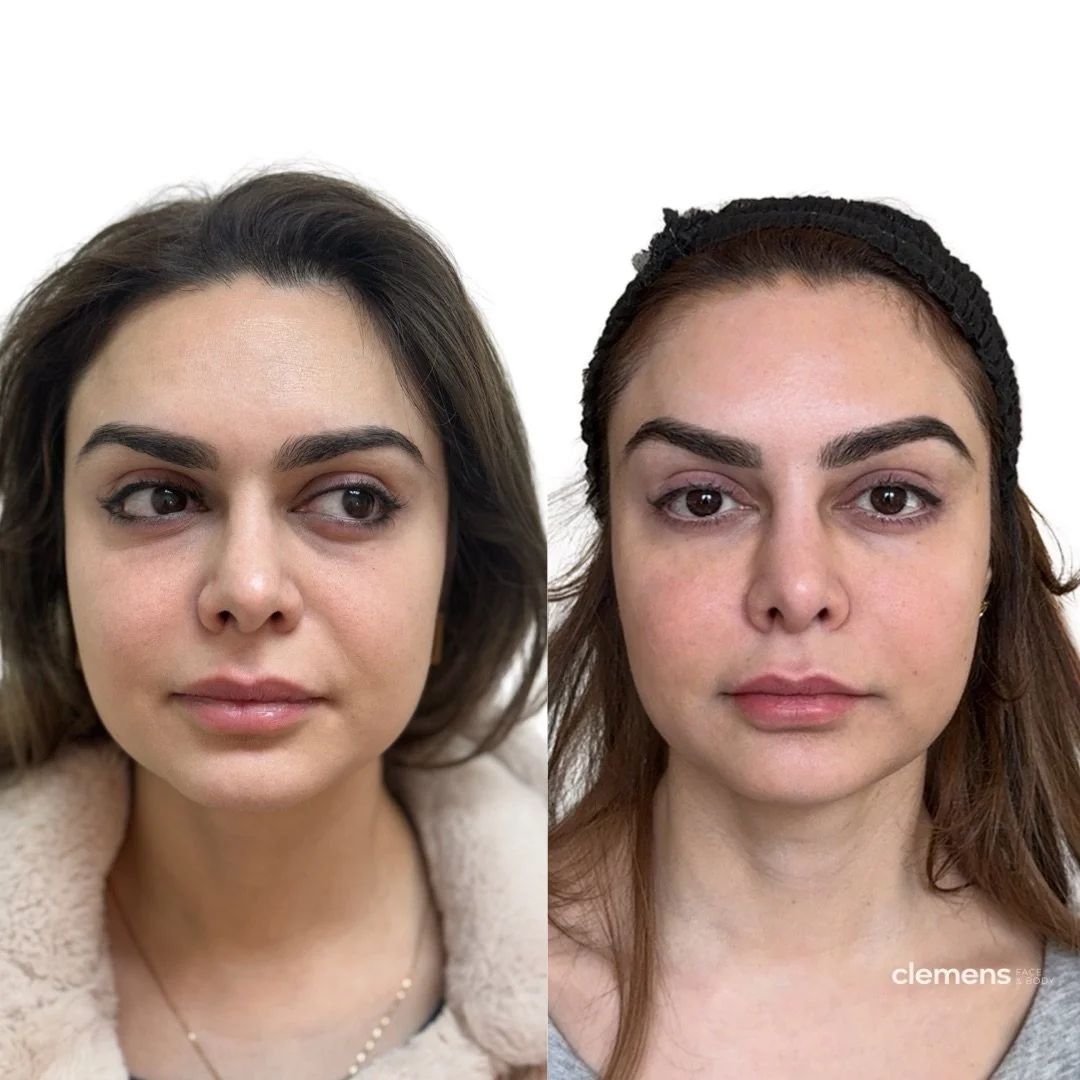
Seamless restoration. Facial balancing softened under-eye hollowness, mid-face volume loss, and fine lines. A subtle lip touch finished it.
Investment
Customized to you. Priced per treatment area.
Upper Face (Temples/Under-eyes): $900–$1,600
Mid-Face & Nasolabial Folds: $1,000–$1,400
Lower Face (Chin/Jawline): $900–$2,500 (final pricing depends on whether chin and jawline are combined)
Soft Lip Enhancement: $700–$1,000
Because aging doesn’t need to feel scary.
Without facial balancing:
Volume loss keeps progressing quietly
Dissatisfaction growing internally
Feeling stuck between doing nothing and over-doing it
With facial balancing:
Restoring radiance you once had
A plan built based on your anatomy
Subtle, conservative results that age with you
Your Provider

Jo Sulistio, NP has trained under some of the world's most prominent experts in facial balancing and filler safety. Her approach is focused on safe, predictable, and tasteful outcomes over volume-based metrics.
FAQS
-
Every facial balancing treatment begins with a comprehensive assessment of your facial structure, soft tissue volume, and overall facial proportions to identify where subtle, strategic enhancement may create greater balance and harmony.
Facial ultrasound is also incorporated to support precise treatment planning and safety.
-
See our ‘Investment’ section above!
-
Your skin naturally produces hyaluronic acid (the primary component found in dermal fillers), but production starts slowing in your 20s, which is part of why volume and support fade over time. Dermal fillers are gel-based hyaluronic acid and are designed to replace what's been lost and give the tissue something to hold onto again.
-
Longer than most people expect. There's a common myth that filler disappears within a year. In reality, results can hold for years, sometimes decades, as long as it stays exactly where it was placed. That's not a risk, it's the goal: filler that keeps doing its job (restoring support) instead of needing constant replacement.
-
For most patients, no. Some choose small touch-ups every year or two; others go much longer before needing anything at all. The schedule follows your face, not a calendar.
-
Filler can soften the exact changes that tend to catch people off guard: hollowing under the eyes, flattening through the cheeks, a chin or jawline that's lost definition, deepening folds near the mouth. Treated individually or together, as part of a full facial balancing plan.
-
Right away, though your immediate results are not the final picture as swelling and bruising in the first few days can hide the full effect. Give it 2 to 4 weeks to see the real result settle in.
-
Mild bruising, swelling, and tenderness at the injection sites are common and expected, typically resolving within a few days.
-
Not on their own. When it happens, it's almost always a technique issue — placement too aggressive, or dosing that didn't respect your anatomy. Conservative, ultrasound-guided placement is what keeps filler exactly where it's meant to be.
-
By never treating in a vacuum. "Pillow face" happens when filler gets added again and again without stepping back to look at the whole face. Restraint and reassessment at every visit are what keep results looking like you, not like an accumulation of appointments.
-
Yes, which is one of the real advantages over more permanent options. Hyaluronidase, an enzyme, can dissolve HA filler if you ever want a correction or a fresh start. We'll walk through this in detail at your consultation. Dissolving may be a separate visit and cost.
-
It depends on the area, but plan on somewhere between 3 days and 2 weeks, with lips taking the longest. Redness, bruising, and swelling are most noticeable in the first 3 days, though none of it should keep you from your normal routine.
-
Discomfort is normal, but severe pain is unlikely. We numb the treatment area beforehand and use distraction techniques throughout, so most patients find it far more tolerable than they expected.
Take the first step.
Start with a consultation and move forward with clarity.