
Asian Facial Anatomy Explained: Why Personalized Aesthetic Treatment Matters
Clemens Face + Body | Brookline, Boston
Many aesthetic treatments are taught using Western facial proportions as the reference point. However, Asian facial anatomy is incredibly diverse, and treatment plans that ignore these differences can produce results that feel unnatural, overdone, or simply out of balance.
As an Asian-owned aesthetic practice, we believe that successful treatment begins with understanding the individual rather than applying a standard formula. Every face carries a unique combination of anatomy, ethnicity, genetics, and personal goals. The objective is not to make patients conform to a particular beauty standard, but to enhance facial harmony while preserving the features that make them uniquely themselves.
In this article, we'll break down 3 different common facial patterns observed among East Asian populations, the aesthetic ideals often associated with them, and why a customized approach is essential when planning facial balancing and rejuvenation treatments.
The 3 East Asian Facial Patterns
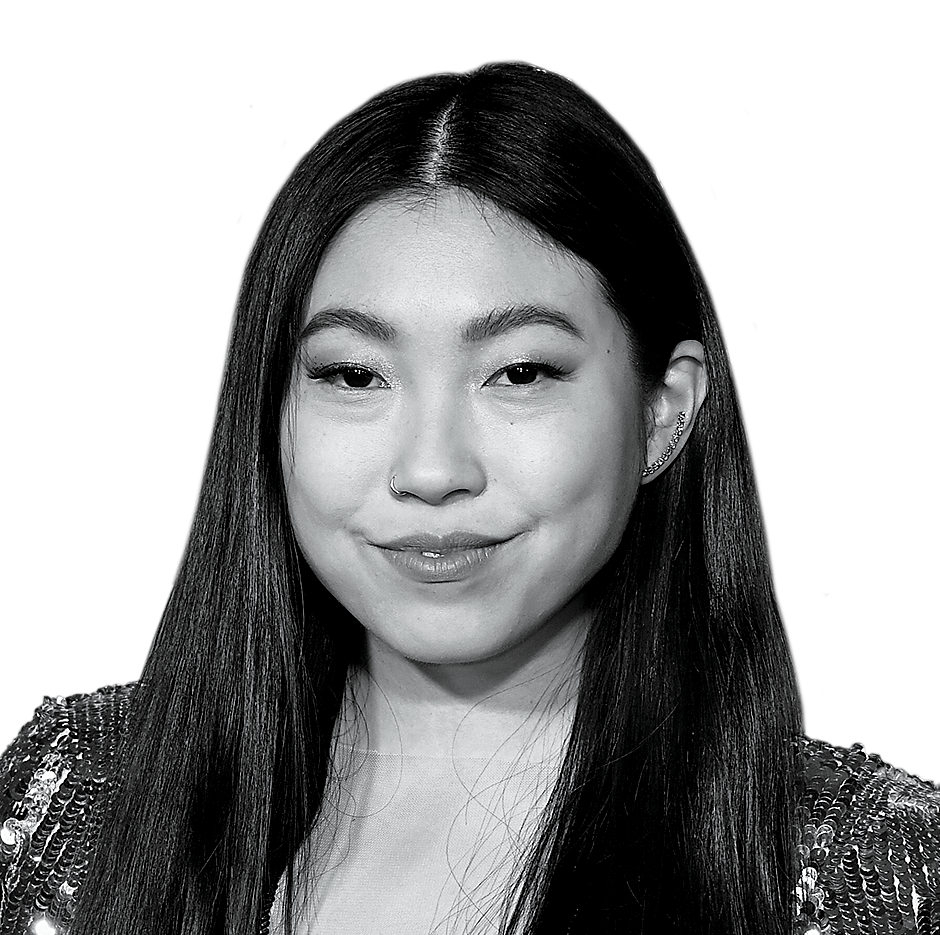
Pattern 1: Strong Midface and Jaw Structure
Pattern 1 individuals naturally have a broader facial shape characterized by prominent cheekbones (zygomas), a wider and flatter midface, and stronger jaw angles. This facial pattern often creates a sense of strength, balance, and structure even before any aesthetic treatment is performed.
From an aesthetic medicine perspective, treatment plans may focus less on adding volume and more on enhancing balance. Depending on the individual's goals, this could include:
Softening lower-face width through masseter wrinkle relaxers
Improving profile projection with conservative chin enhancement
Addressing age-related volume loss without creating excessive fullness in the midface
Avoiding excessive eyebrow arching, which can make the face appear wider
The goal is not to erase strong facial features, but to create balance while maintaining the character and identity of the face.
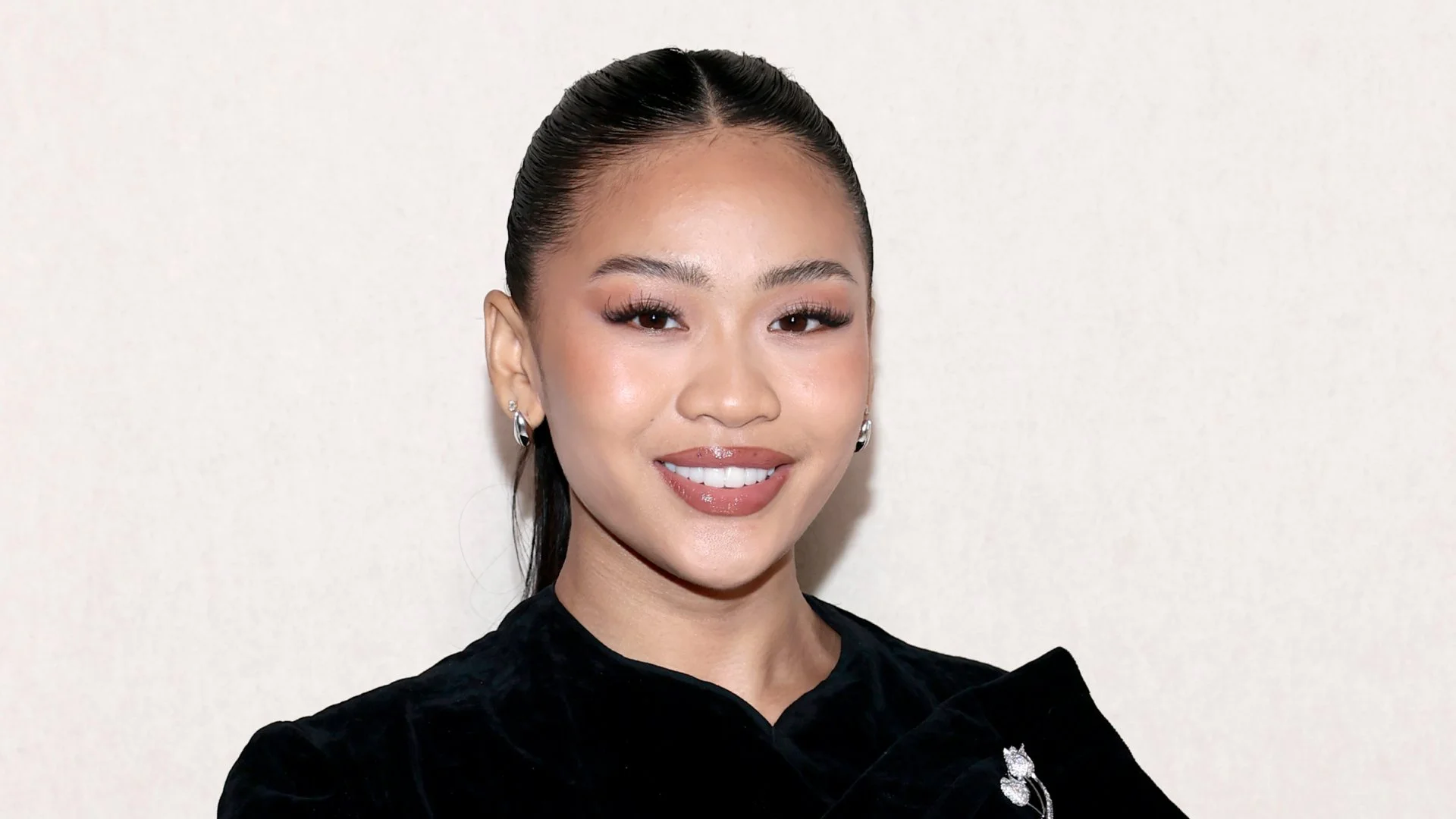
Pattern 2: Balanced Facial Proportions
Pattern 2 faces exhibit proportions that are naturally balanced between the upper, middle, and lower thirds of the face. This pattern often features moderate cheekbone projection, a softly defined jawline, and facial width that is proportionate to facial height. Rather than one feature dominating the face, harmony is created through overall balance.
Because these faces are already relatively balanced, treatment planning often requires a particularly conservative approach. Small changes can have a significant impact. Overcorrection or excessive volume may disrupt facial harmony rather than improve it.
For example, some patients may benefit from subtle chin projection to strengthen the profile, while others may be better candidates for skin-quality treatments, collagen stimulation, or conservative/”mini” facial balancing.
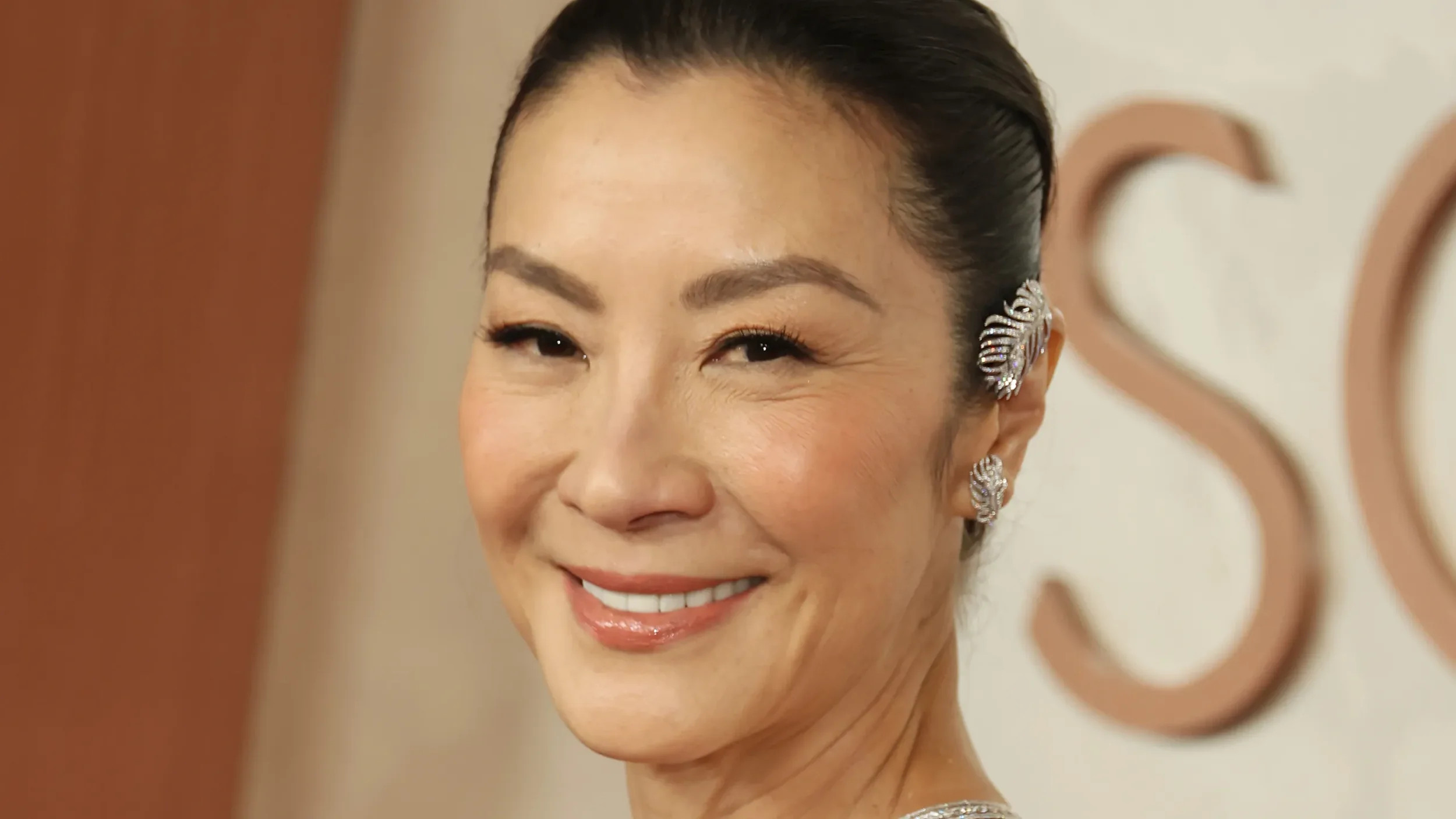
Pattern 3: Tapered Lower Face and Softer Facial Contours
Pattern 3 faces naturally have a narrower lower face with softer facial contours, a more tapered jawline, and less prominent cheekbone projection. This facial pattern is often associated with an oval or heart-shaped appearance, creating a delicate and youthful aesthetic.
While these patients may have less concern about facial width, they may be more likely to notice changes related to aging, volume loss, or facial support as collagen production declines over time. Even small decreases in bone support or soft tissue volume can make the face appear more tired, hollow, or less defined than before.
Aesthetic goals within this group often center around maintaining facial structure rather than reducing it. Depending on the individual's anatomy, treatments may focus on:
Enhancing chin projection
Restoring age-related volume loss
Improving lower-face support
The objective is not to make the face sharper or more angular, but to create support and balance in a way that looks natural and age-appropriate.
Why This Matters For Botox and Facial Balancing
Understanding facial anatomy is not just an academic exercise—it directly influences how aesthetic treatments are planned and performed.
One of the biggest misconceptions in aesthetic medicine is that the same Botox or filler treatment should be applied to every face. In reality, treatment recommendations should be guided by an individual's facial structure, proportions, muscle activity, and aesthetic goals.
The same principle applies to facial balancing. Some patients benefit from chin projection to improve profile harmony, while others may require support in the midface, temples, or jawline. In many cases, the most impactful treatment is not where the patient initially thinks the problem lies.
Read More
Learn about our ‘Tell Me What I Need’ Consultation
What is Facial Balancing? An Updated Guide in 2026
What to Expect During a Facial Balancing Consultation: A Step-by-Step Guide
Take Away
Treatment plans that fail to account for ethnic anatomy can create results that appear overfilled, overly narrow, excessively angular, or simply out of harmony with the rest of the face.
At Clemens Face + Body, facial balancing begins with understanding the face as a whole. Rather than following trends or applying a standardized formula, we evaluate facial proportions, skeletal support, soft tissue distribution, muscle dynamics, and the patient's personal goals before developing a treatment plan.
The goal is not to make every face look the same. The goal is to create balance, preserve identity, and enhance the features that already make a face unique.
If you want to receive expert guidance on the treatments that are right for your anatomy, book our ‘Tell Me What I Need’ consultation.
